





















Comparison of the Effectiveness of Intensive Short-Term Dynamic Psychotherapy (ISTDP) and Cognitive Behavioral Therapy (CBT) on Somatization Symptoms and Dissociative Experiences in Patients with Social Anxiety Disorder
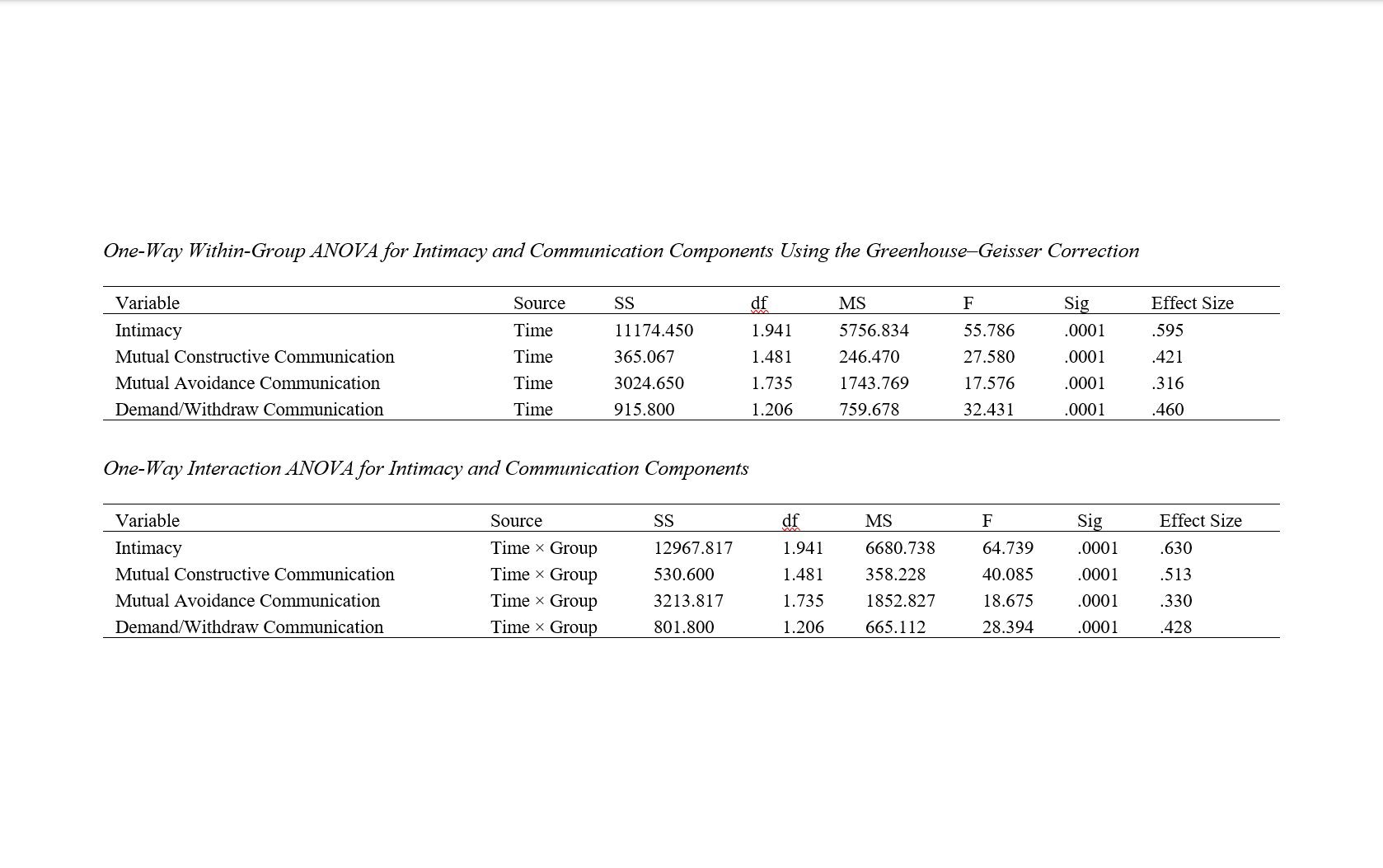
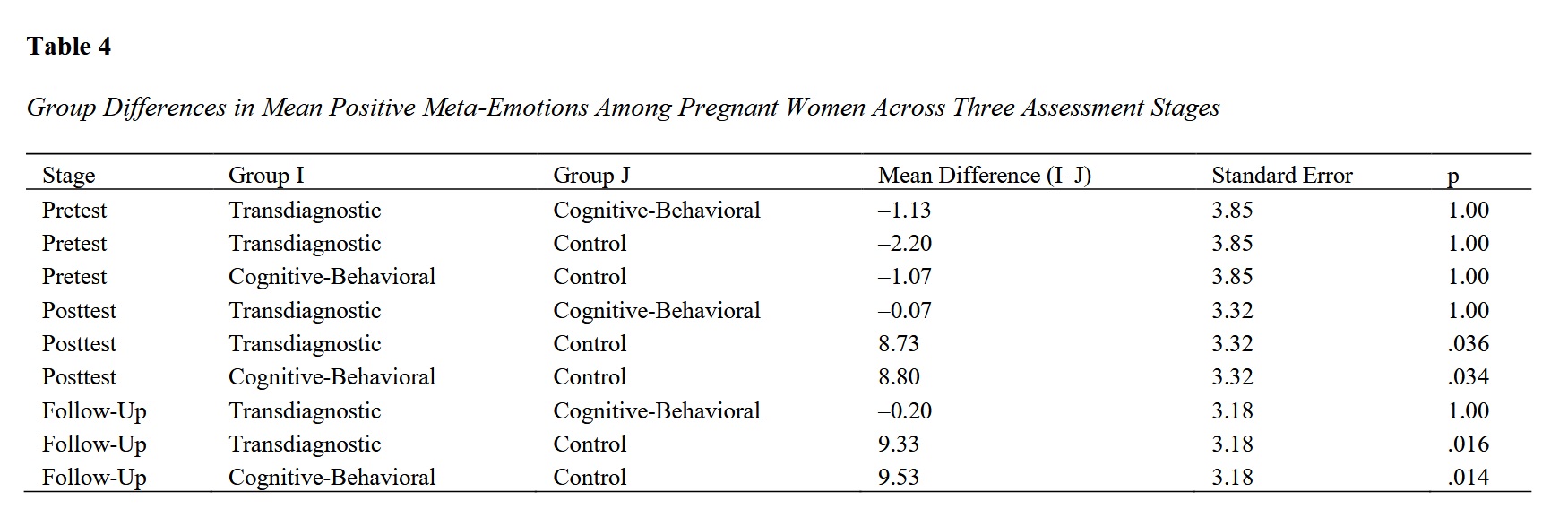
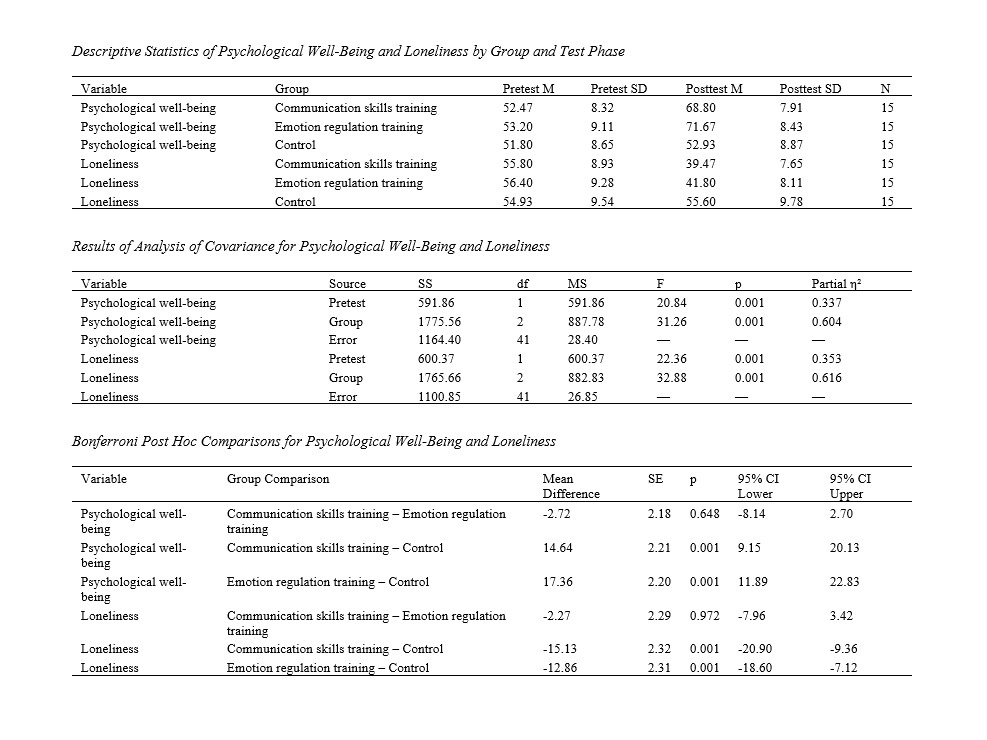
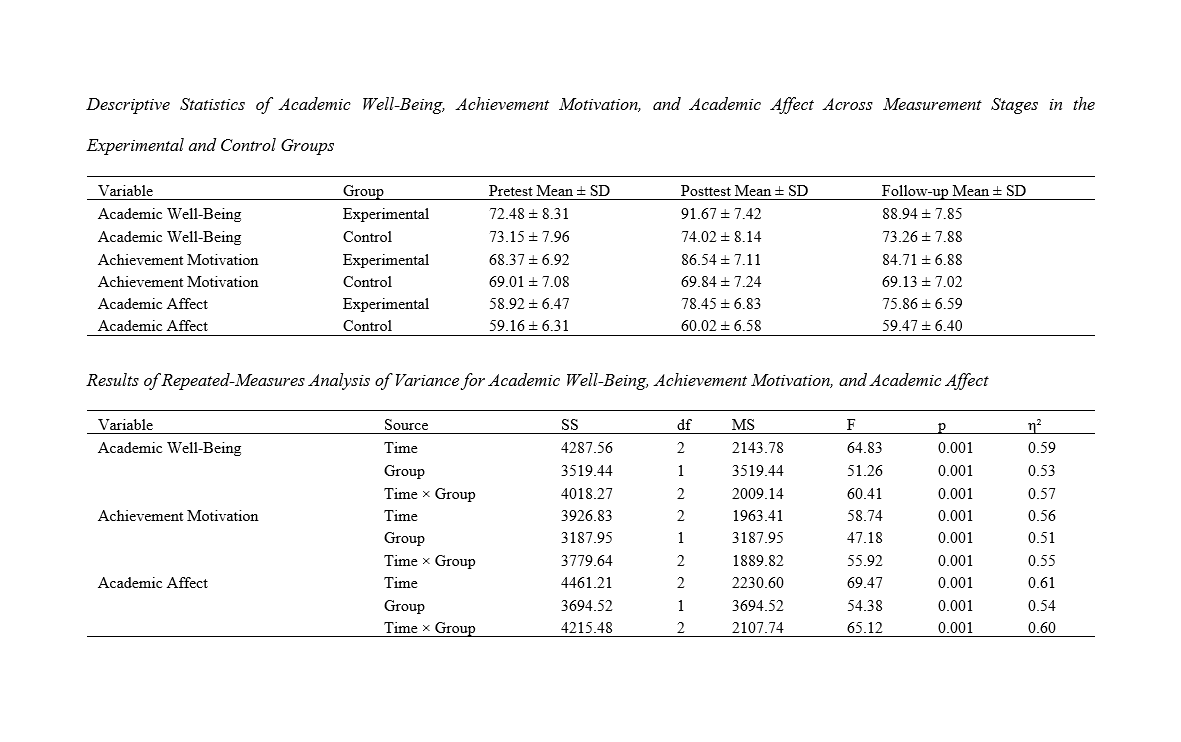
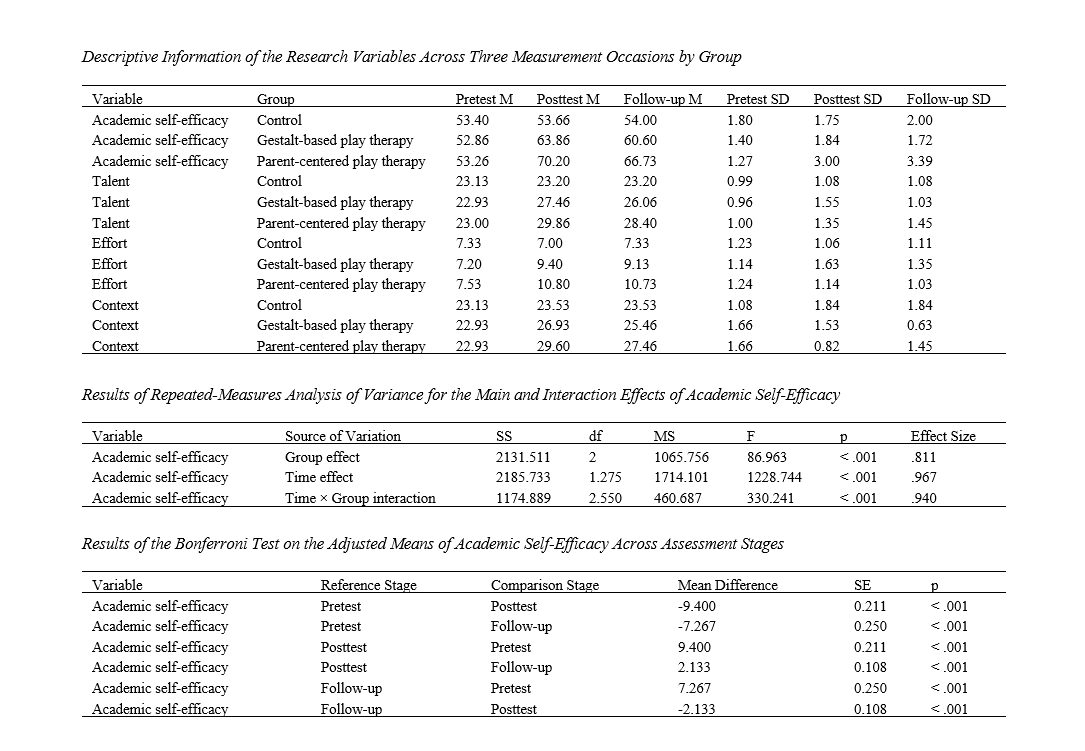
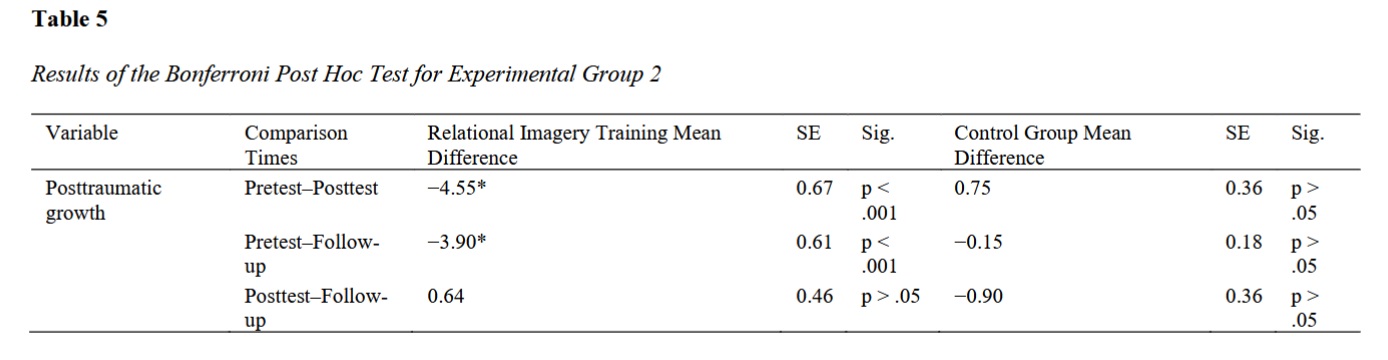
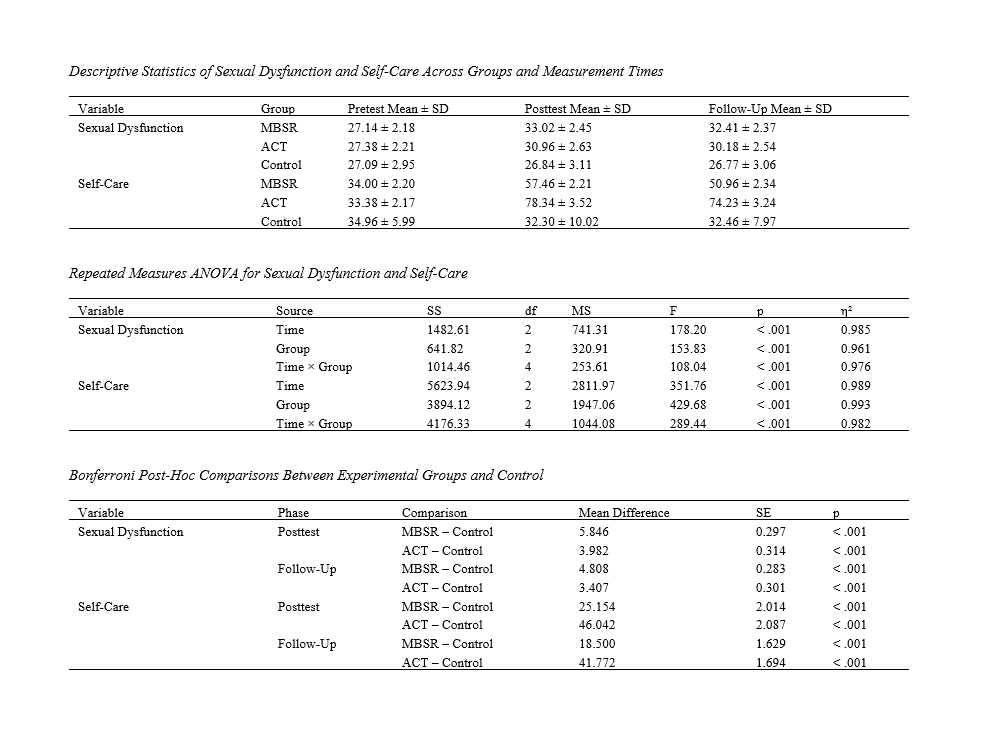
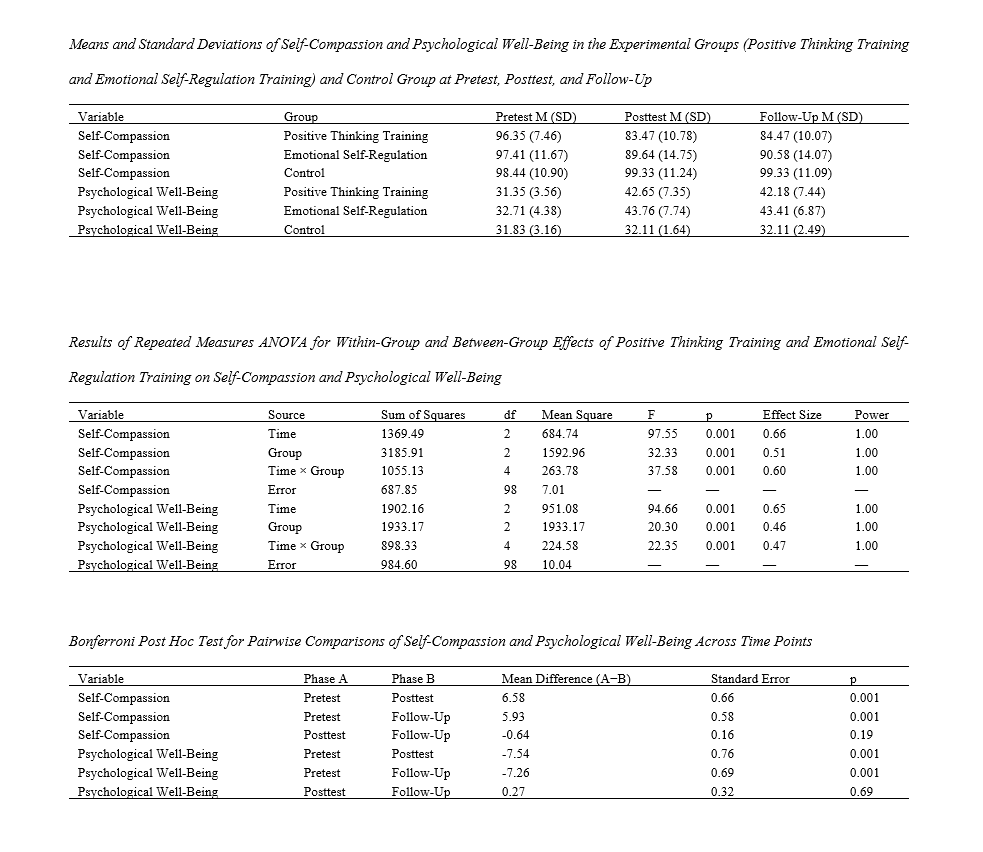
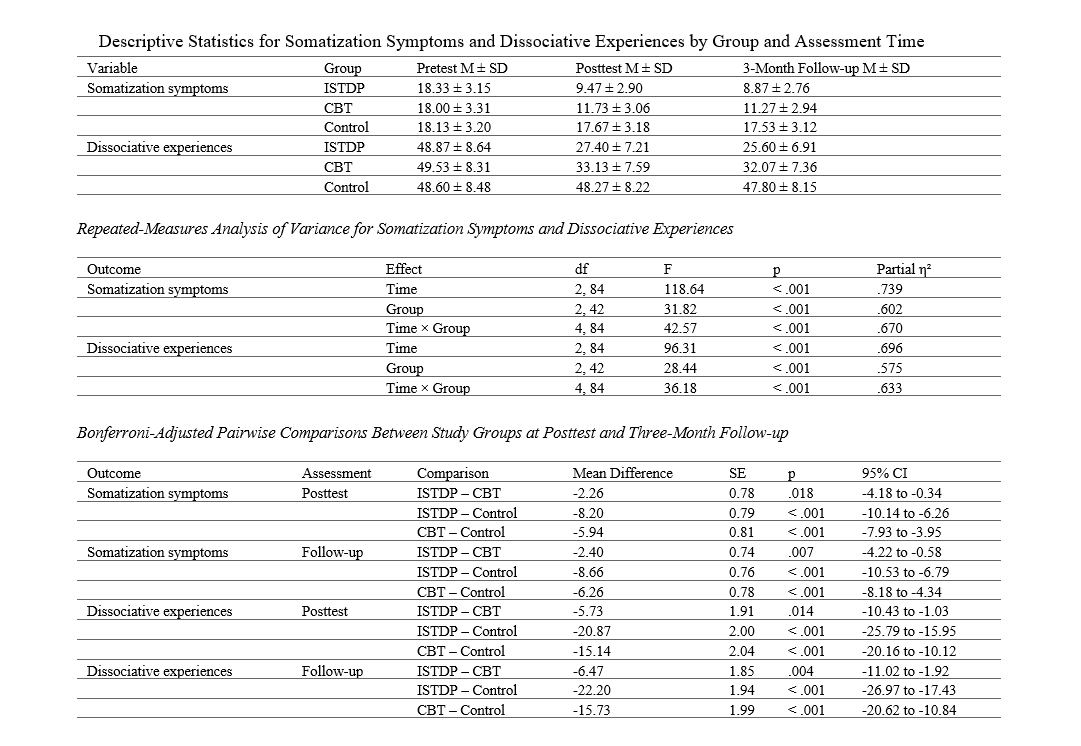
The present study aimed to compare the effectiveness of Intensive Short-Term Dynamic Psychotherapy (ISTDP) and Cognitive Behavioral Therapy (CBT) in reducing somatization symptoms and dissociative experiences in patients with social anxiety disorder. This randomized controlled study employed a pretest–posttest design with a three-month follow-up and three parallel groups. The statistical population consisted of adults with social anxiety disorder who attended psychological and psychiatric treatment centers in Tehran, Iran. A total of 45 eligible participants were selected through purposive sampling and randomly assigned to the ISTDP, CBT, or control group, with 15 participants in each group. The ISTDP and CBT groups each received 12 individual weekly sessions lasting approximately 60 minutes, whereas the control group received no structured psychotherapy during the study period. Somatization symptoms were assessed using the Patient Health Questionnaire-15, and dissociative experiences were measured using the Dissociative Experiences Scale-II. Data were analyzed using repeated-measures analysis of variance and Bonferroni-adjusted pairwise comparisons at a significance level of p < .05. Repeated-measures analysis showed significant time effects for somatization symptoms, F(2, 84) = 118.64, p < .001, partial η² = .739, and dissociative experiences, F(2, 84) = 96.31, p < .001, partial η² = .696. Significant group effects were also observed for somatization symptoms, F(2, 42) = 31.82, p < .001, partial η² = .602, and dissociative experiences, F(2, 42) = 28.44, p < .001, partial η² = .575. The time × group interactions were significant for both somatization symptoms, F(4, 84) = 42.57, p < .001, partial η² = .670, and dissociative experiences, F(4, 84) = 36.18, p < .001, partial η² = .633. Bonferroni comparisons indicated that both interventions were significantly more effective than the control condition, while ISTDP produced significantly greater reductions than CBT at both posttest and follow-up. Both ISTDP and CBT were effective in reducing somatization symptoms and dissociative experiences in patients with social anxiety disorder, with ISTDP demonstrating greater and sustained effects across both outcome domains.