











Early Identification of Families at Risk of Child Maltreatment: A Fairness-Audited Machine-Learning Model Integrating Caregiver Stress, Social Isolation, Economic Hardship, Family History, and Neighborhood Disadvantage
Objective: This study aimed to develop and independently evaluate a fairness-audited machine-learning model for the early identification of Egyptian families at risk of child maltreatment.
Methods and Materials: A prospective multicenter cohort study was conducted among 1,248 families recruited from healthcare, educational, and social-service settings across Cairo, Giza, Alexandria, Dakahlia, Minya, and Sohag. Baseline assessments measured caregiver stress, social isolation, economic hardship, family adversity, previous child-protection involvement, and neighborhood disadvantage. Families were followed for 12 months to identify newly substantiated or independently adjudicated child-maltreatment concerns. The sample was divided into development, validation, and independent test datasets. Penalized logistic regression, elastic-net regression, random forest, gradient-boosted decision trees, and extreme gradient boosting were compared using discrimination, calibration, classification, and fairness metrics.
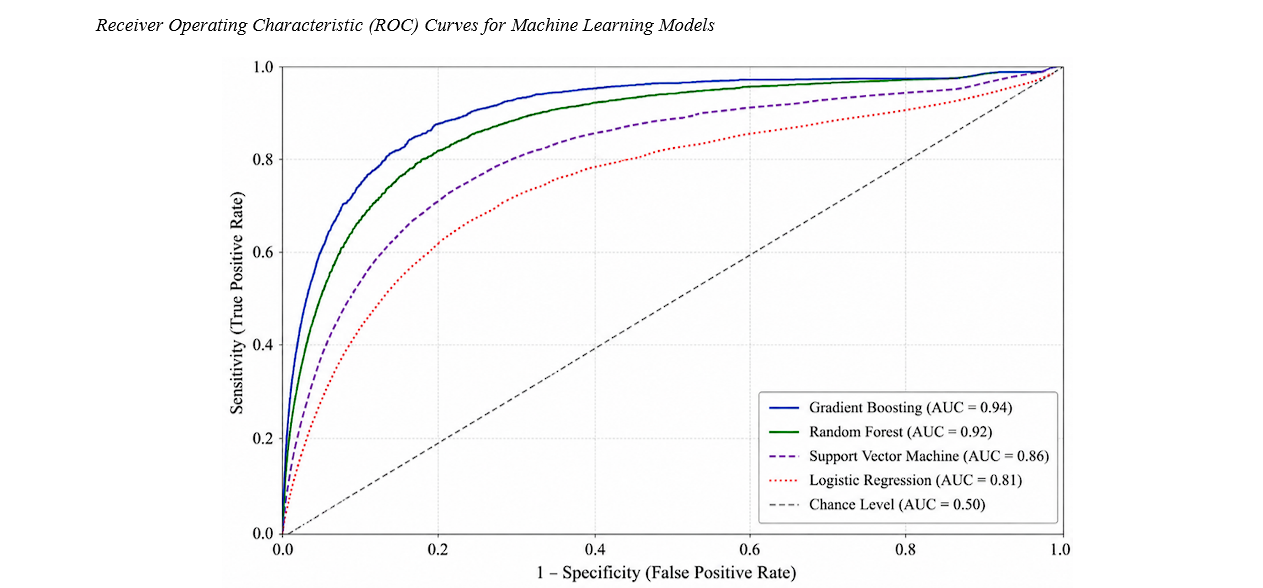
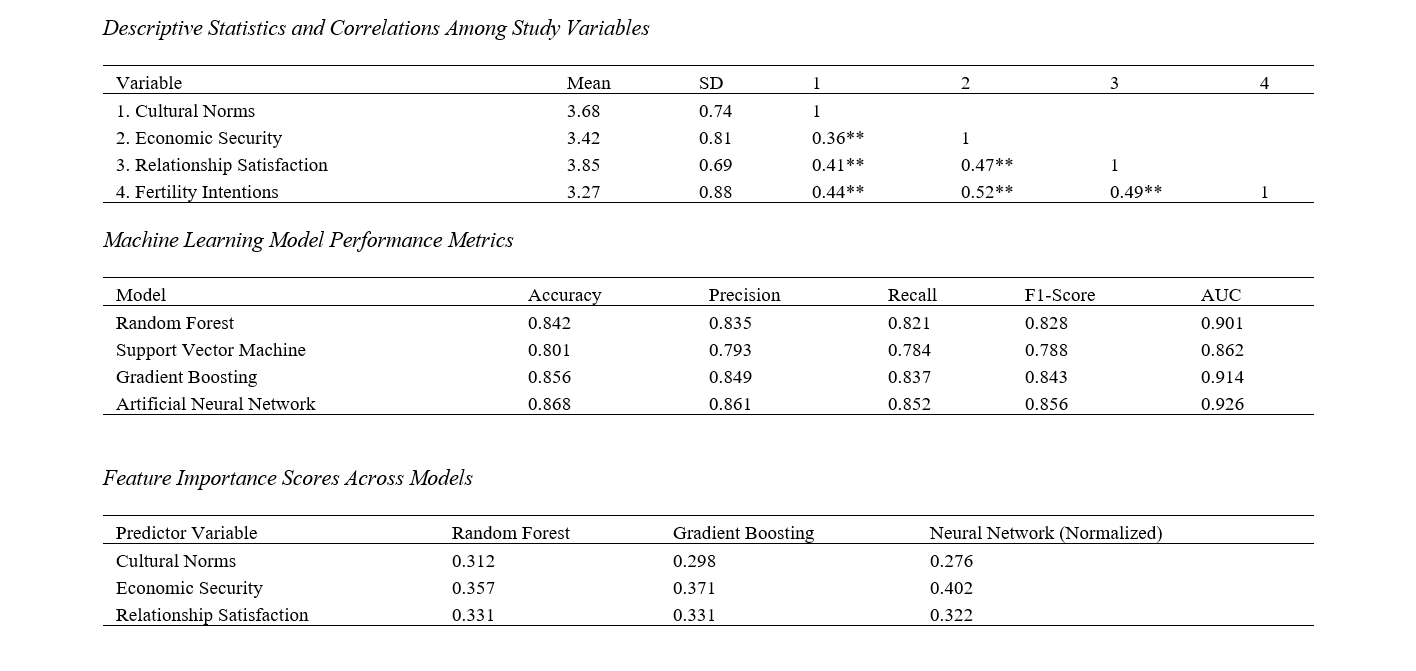
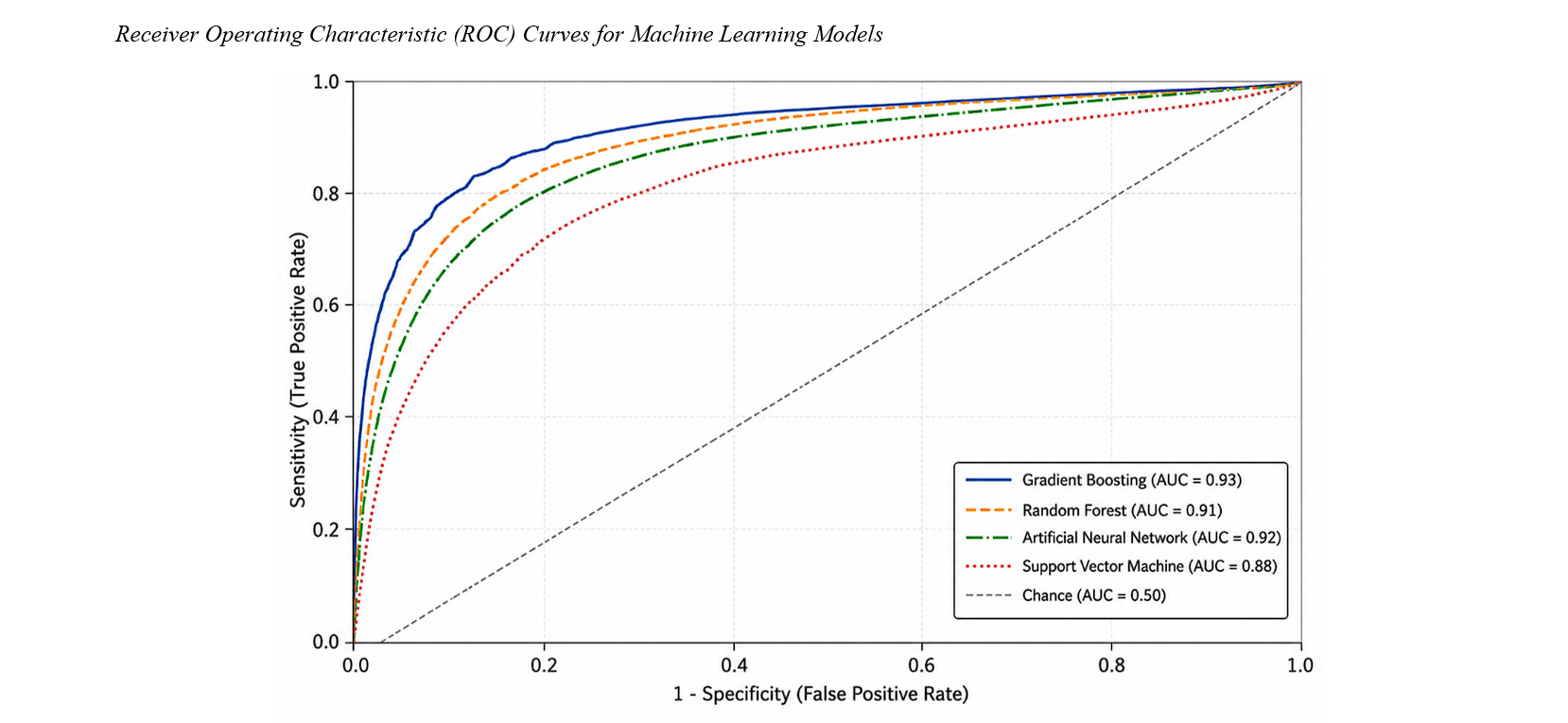
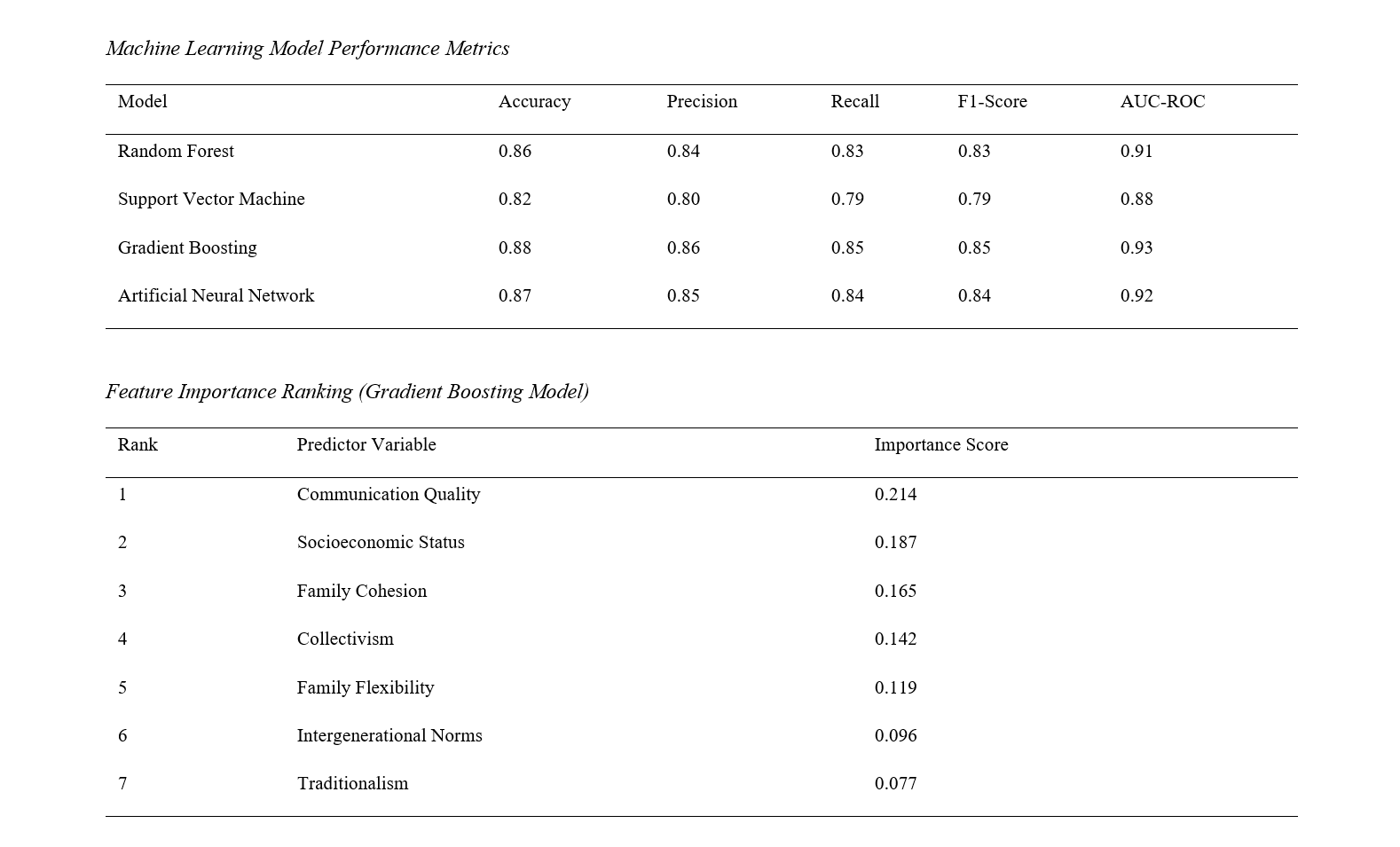
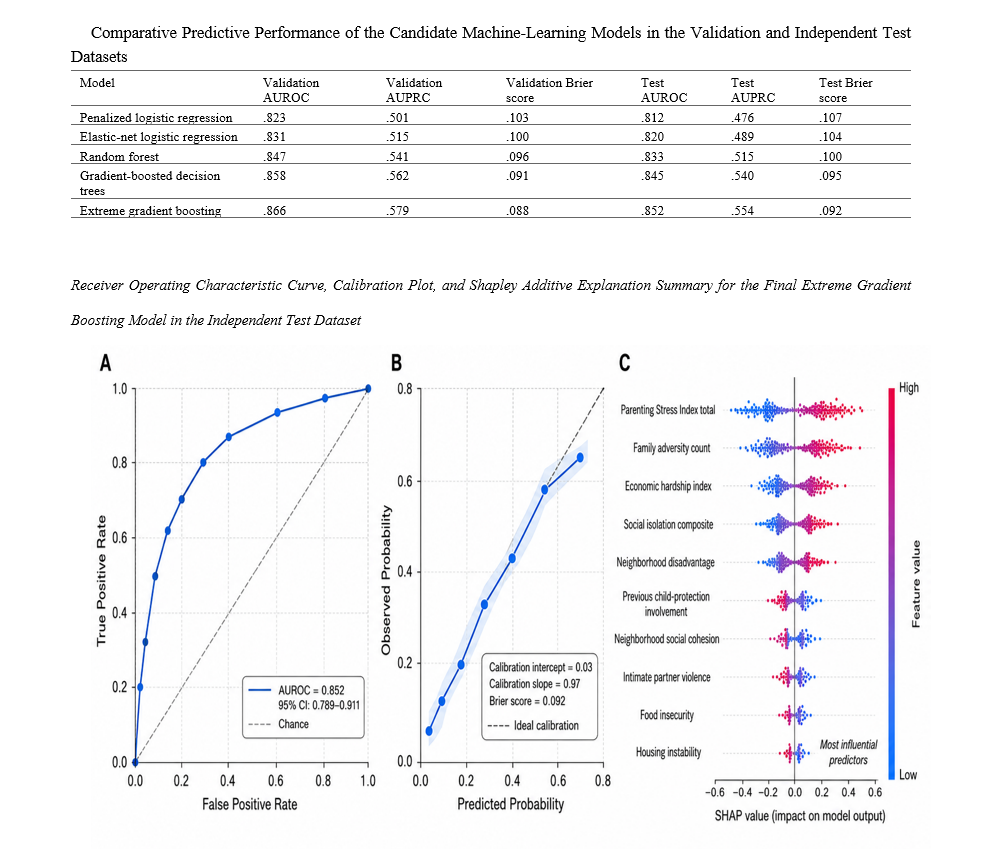
Findings: Families with a subsequent maltreatment concern had significantly higher parenting stress, social isolation, economic hardship, family adversity, neighborhood disadvantage, food insecurity, housing instability, intimate partner violence, and previous child-protection involvement than families without a concern (all p < .001). Extreme gradient boosting demonstrated the strongest independent test performance, with an area under the receiver operating characteristic curve of .852, an area under the precision–recall curve of .554, and a Brier score of .092. At the selected threshold, sensitivity was 82.1%, specificity was 79.2%, positive predictive value was 41.1%, and negative predictive value was 96.2%. Calibration was satisfactory, with an intercept of .03 and slope of .97. Performance was broadly comparable across caregiver sex, child sex, residence, and region, although the false-positive rate was higher among low-income families.
Conclusion: A multilevel fairness-audited machine-learning model can identify families requiring further supportive assessment with good discrimination and calibration, but predictions should supplement professional judgment and must not be used as proof of maltreatment or as an independent basis for punitive intervention.