Investigation of the Effect of Transcranial Direct Current Stimulation on Inhibitory Control Deficits and Tendency Toward Stimulant Substance Use in Students
DOI:
https://doi.org/10.61838/kman.jayps.6.2.5Keywords:
Students, Transcranial Direct Current Stimulation, Inhibitory Control, Stimulants, AddictionAbstract
Objective: This study aims to examine whether transcranial direct current stimulation can effectively improve inhibitory control deficits and reduce students' tendency toward stimulant substance use.
Methods and Materials: This research employed a quasi-experimental design with a pretest-posttest format. The study population included all 12th-grade students with stimulant substance use attending the Atieh Roshan Addiction Treatment Center in Shahriar in 2024. A total of approximately 100 12th-grade students were present at this center. From this population, 40 individuals were selected as the sample, based on inclusion and exclusion criteria, to conduct a targeted study. The statistical population consisted of all 12th-grade students aged 15 to 19 years with stimulant substance use in addiction treatment centers in Shahriar. Multivariate analysis of variance and SPSS26 software were used for data analysis.
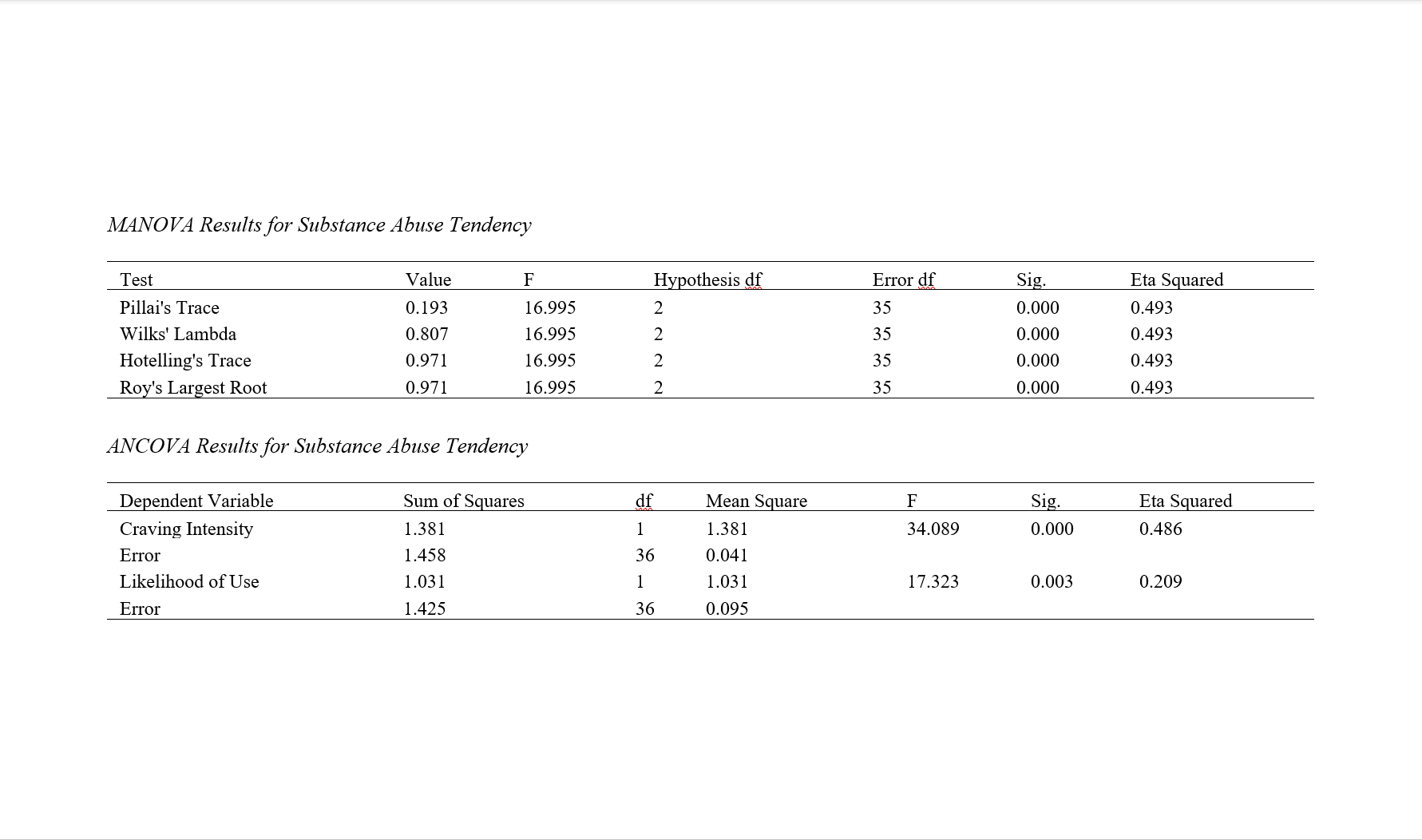
Findings: The results indicated the effectiveness of transcranial brain stimulation on emotional inhibition, aggression inhibition, mental rumination, benign inhibition, and the tendency toward stimulant substance use in students.
Conclusion: It can be concluded that transcranial direct current stimulation can be effective in improving the psychological problems of individuals with substance use disorders.
Downloads
Downloads
Additional Files
Publication Timeline
- Submitted
- Revised
- Accepted
Issue
Section
License
Copyright (c) 2024 Babak Sasani (Author); Masoumeh Azemoudeh (Corresponding Author); Hossein Ebrahimi Moghadam, Seyyed Davoud Hoseini Nasab (Author)

This work is licensed under a Creative Commons Attribution-NonCommercial 4.0 International License.