



















Design and Effectiveness of a Transdiagnostic Protocol for Misophonia: Effects on Symptoms and Quality of Life Among University Students
Objective: This study aimed to design and evaluate the effectiveness of a transdiagnostic intervention protocol for reducing misophonia symptoms and improving quality of life among university students.
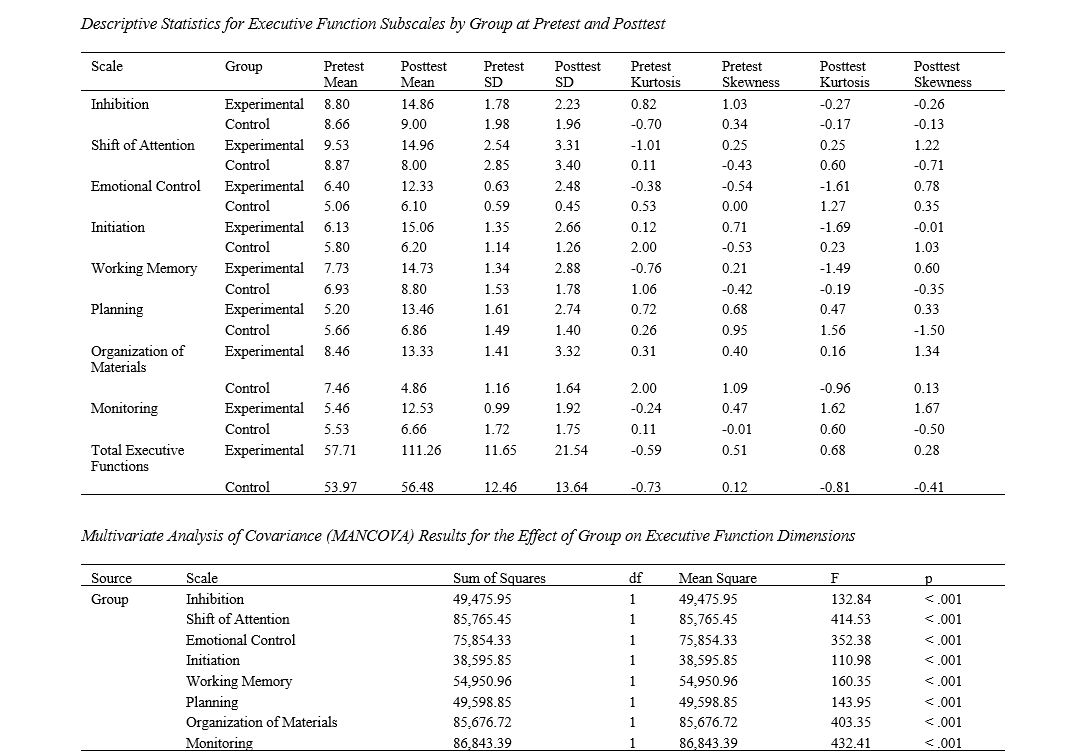
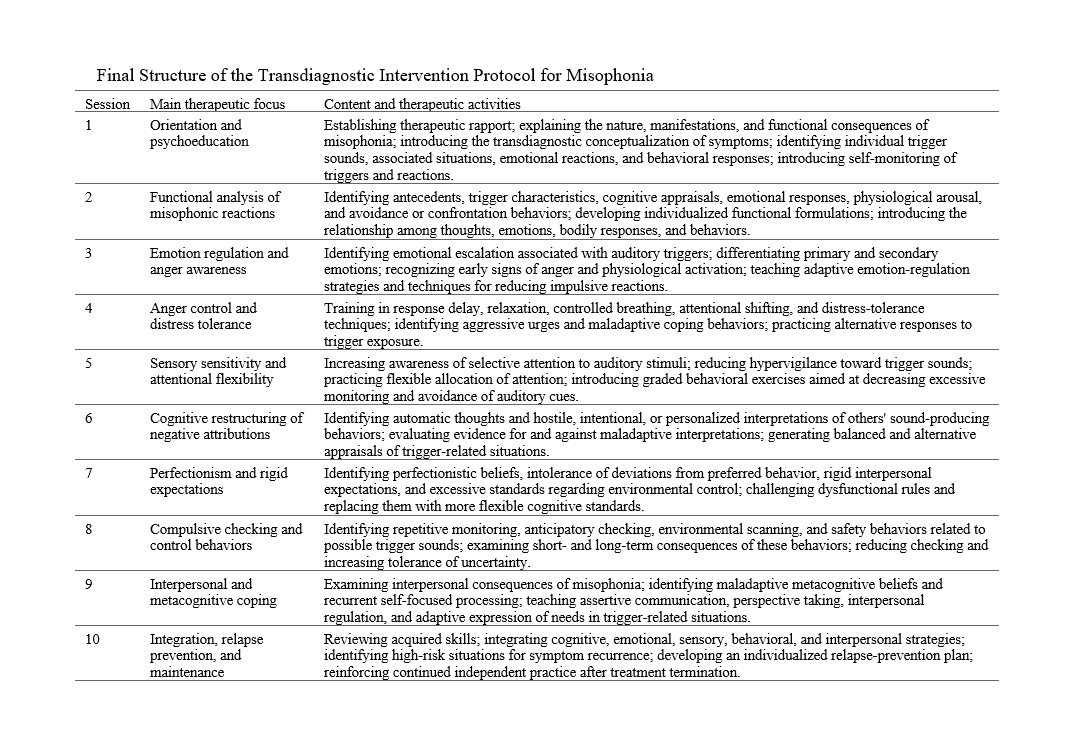
Methods and Materials: This applied quasi-experimental study used a pretest–posttest control-group design with a 3-month follow-up. The transdiagnostic protocol was developed from a prior grounded theory study and integrated emotion regulation, anger control, sensory sensitivity, cognitive restructuring, perfectionism, compulsive checking management, and interpersonal-metacognitive components. Content validity was evaluated by 11 experts using CVR and CVI indices. Sixty undergraduate psychology students with misophonia from Islamic Azad University, Zanjan Branch, and the University of Zanjan were recruited purposively and randomly allocated to experimental and control groups (30 each). The experimental group received ten weekly 90-minute sessions, whereas the control group received no intervention. Outcomes were assessed using the Misophonia Questionnaire and WHOQOL-BREF at pretest, posttest, and follow-up. Data were analyzed using mixed repeated-measures ANOVA with Greenhouse–Geisser correction where required and Bonferroni-adjusted pairwise comparisons.
Findings: Significant time × group interactions were found for misophonia symptoms, F(1.331, 77.195) = 19.87, p < .001, η²p = .255; emotions and behaviors, F(1.232, 71.468) = 10.65, p < .001, η²p = .155; and total misophonia score, F(1.160, 67.271) = 18.28, p < .001, η²p = .240. Significant interactions were also observed for physical health, F(1.158, 67.154) = 10.42, p = .001, η²p = .152; psychological health, F(1.192, 69.158) = 9.01, p = .002, η²p = .134; social relationships, F(2, 116) = 10.63, p < .001, η²p = .155; environmental health, F(1.136, 65.895) = 15.07, p < .001, η²p = .206; and overall general health, F(1.472, 85.369) = 10.65, p < .001, η²p = .155. Most treatment gains remained significant at follow-up.
Conclusion: The transdiagnostic protocol was effective in reducing misophonia symptoms and improving multiple dimensions of quality of life, with substantial maintenance of benefits over 3 months.