
































Beyond Diagnosis: Emerging Directions in Transdiagnostic and Process-Based Psychotherapy
For much of modern clinical psychology and psychiatry, diagnosis has served as the principal organizing framework for understanding psychological suffering, selecting interventions, conducting clinical trials, and structuring mental health services. Diagnostic classification has unquestionably facilitated communication among professionals and supported the development of evidence-based treatments. Yet the realities encountered in clinical practice frequently resist neat diagnostic boundaries. Comorbidity is common, symptom profiles overlap considerably, and individuals sharing the same diagnosis may differ substantially in the psychological processes that maintain their difficulties. These limitations have contributed to growing interest in therapeutic models that move beyond disorder-specific protocols toward transdiagnostic and process-based approaches. Transdiagnostic psychotherapy represents an important response to the recognition that many mental disorders share common mechanisms. Rather than developing a separate treatment package for every diagnostic category, transdiagnostic interventions identify processes that operate across multiple forms of psychopathology. Contemporary evidence suggests that transdiagnostic cognitive behavioral therapies can produce meaningful improvements across emotional disorders and may offer clinically viable alternatives to disorder-specific interventions (Schaeuffele et al., 2024). Similarly, transdiagnostic cognitive behavioral approaches to negative emotional disorders increasingly emphasize shared mechanisms such as avoidance, maladaptive emotional responses, rigid cognitive patterns, and difficulties tolerating distress (Norton et al., 2025). This shift encourages clinicians to ask not only which disorder does this person have? but also which processes are sustaining this person’s difficulties?
The Unified Protocol illustrates the practical significance of this transition. By targeting common emotional processes rather than a single diagnostic syndrome, it provides clinicians with a flexible framework applicable to heterogeneous presentations. Evidence concerning its implementation in intensive clinical settings, including work with military service members and veterans, suggests that transdiagnostic interventions may also be adaptable to different treatment formats and levels of care (Sherrill et al., 2024). Comparative findings involving individuals experiencing severe shame similarly demonstrate the relevance of transdiagnostic treatment principles for complex emotional difficulties that may not be adequately represented by a single diagnostic label (Mohajerin & Howard, 2024).
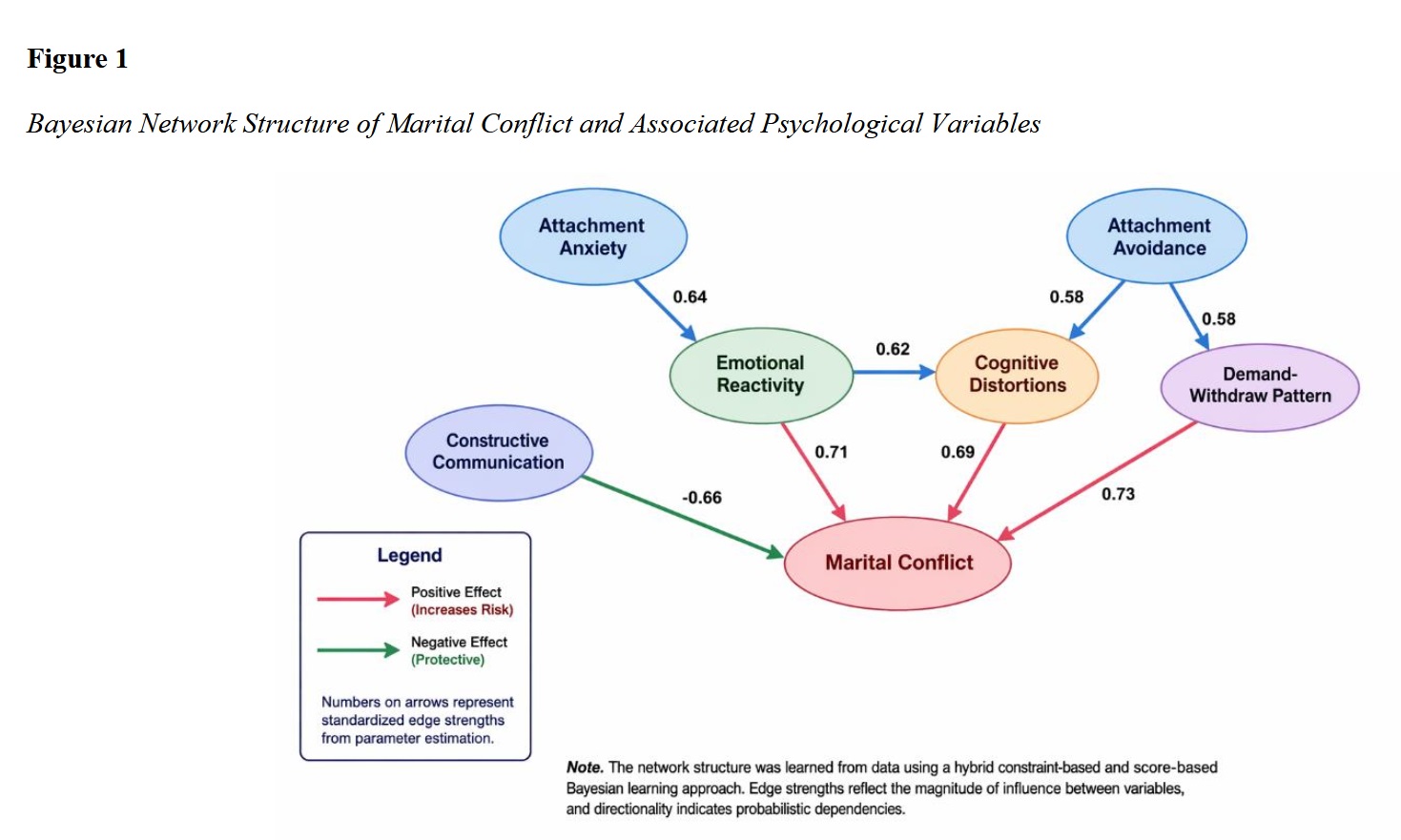
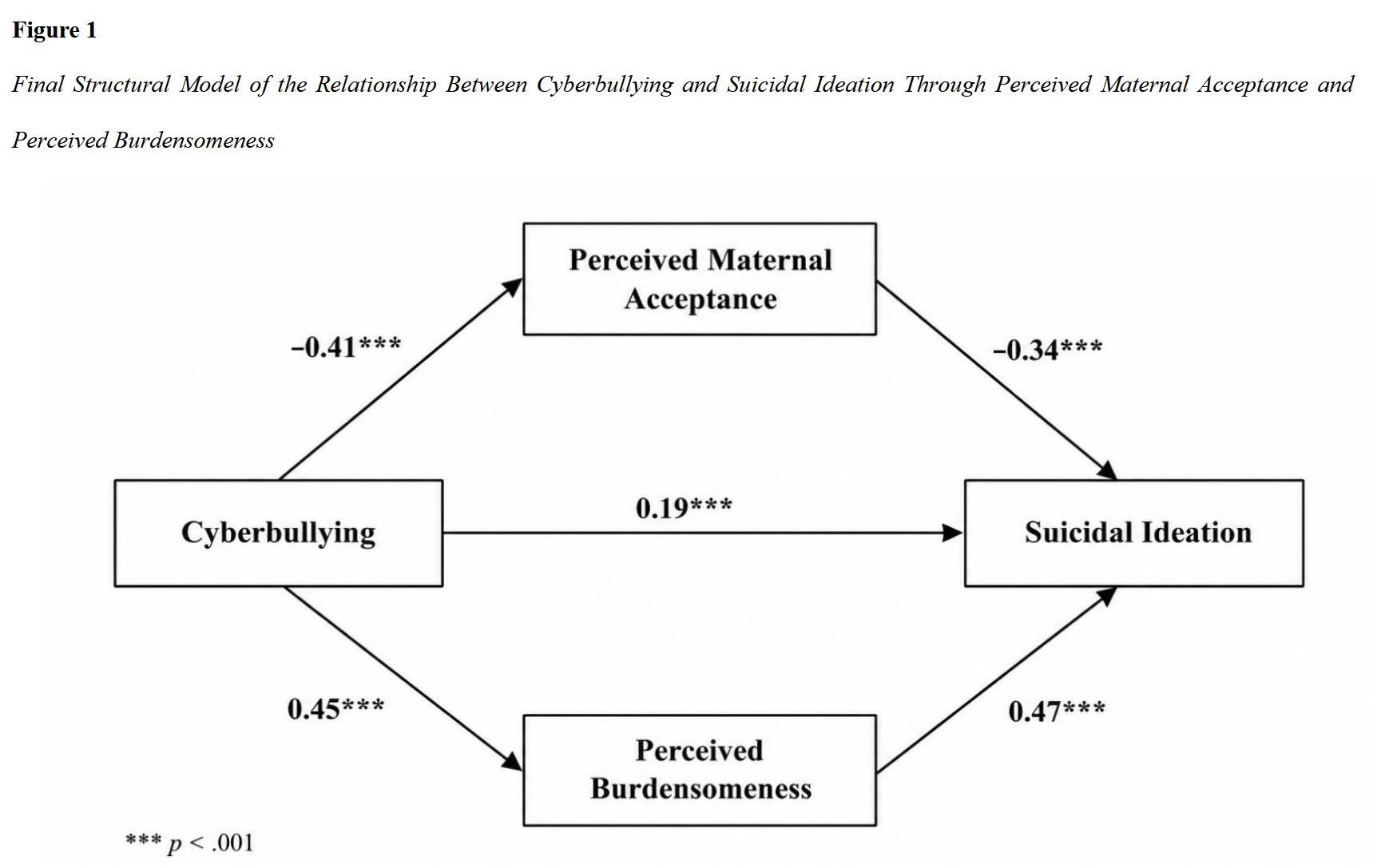
The next stage of this development, however, requires moving from broadly transdiagnostic treatment packages toward a more explicitly process-based science of psychotherapy. Process-based psychotherapy focuses on identifying modifiable biopsychosocial processes that can explain therapeutic change and guide individualized intervention. In this framework, treatment selection becomes increasingly dynamic. Instead of assuming that every patient with the same diagnosis requires the same sequence of therapeutic techniques, clinicians may identify the dominant mechanisms operating in a particular individual and select interventions accordingly. Avoidance, attentional bias, cognitive rigidity, shame, disrupted emotion regulation, maladaptive meta-emotional responses, and intolerance of internal sensations may therefore become direct therapeutic targets across conventional diagnostic boundaries.
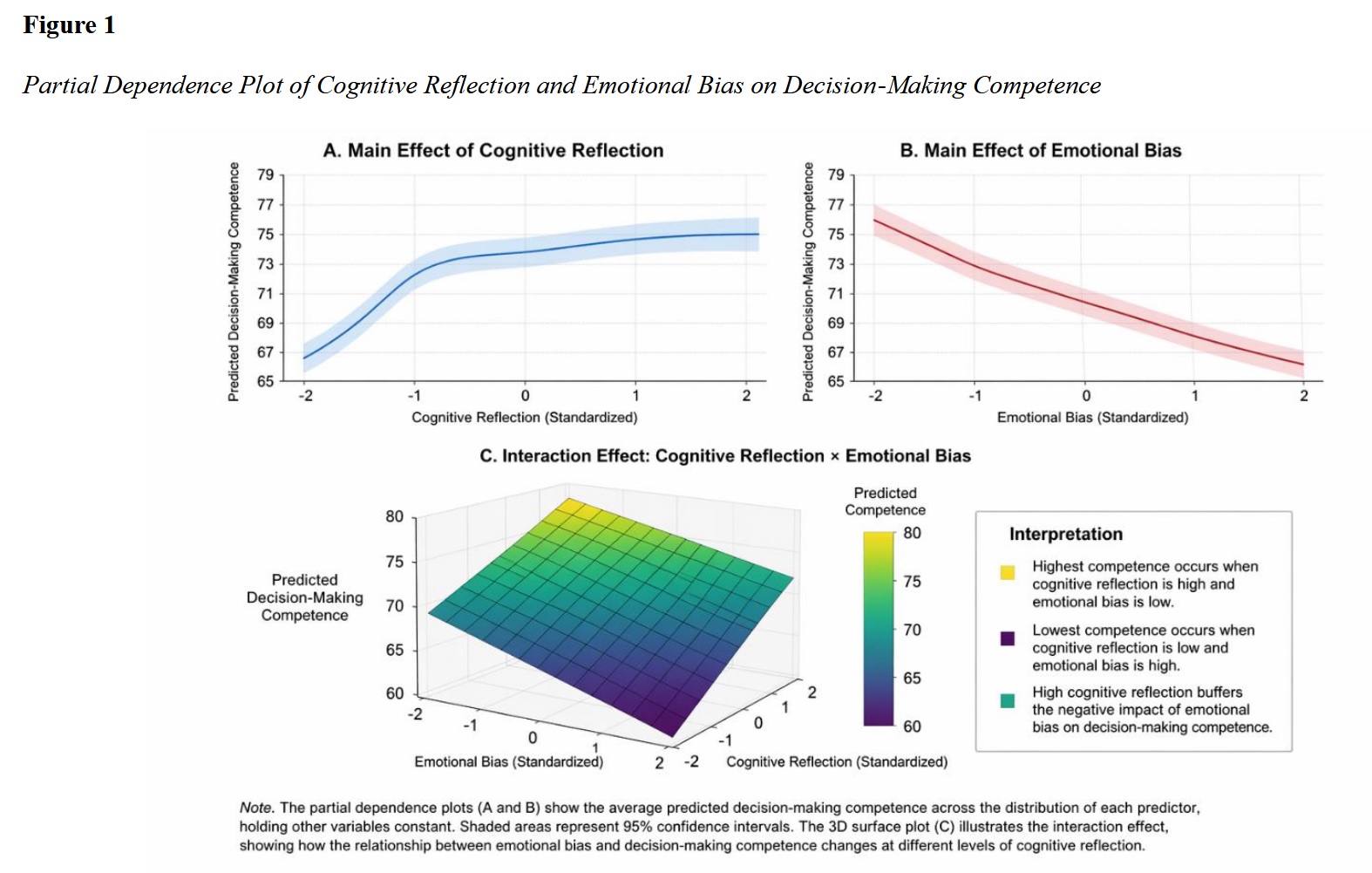
Recent findings concerning transdiagnostic cognitive biases reinforce the importance of such an approach. Cognitive biases are distributed across psychiatric conditions rather than confined to individual diagnoses, suggesting that mechanisms involving attention, interpretation, memory, and information processing may provide useful cross-disorder treatment targets (Lavigne et al., 2024). Interoceptive processes offer another example. Although interoceptive exposure has historically been strongly associated with anxiety and panic treatment, its application across physical and mental health conditions points toward a considerably broader therapeutic role for learning to tolerate and reinterpret uncomfortable bodily sensations (Farris et al., 2025). Similarly, emerging applications of meta-emotion therapy demonstrate how changing individuals’ relationships with their emotional experiences may have relevance across complex trauma, eating-related difficulties, and other presentations characterized by secondary emotional responses (Frost et al., 2025).
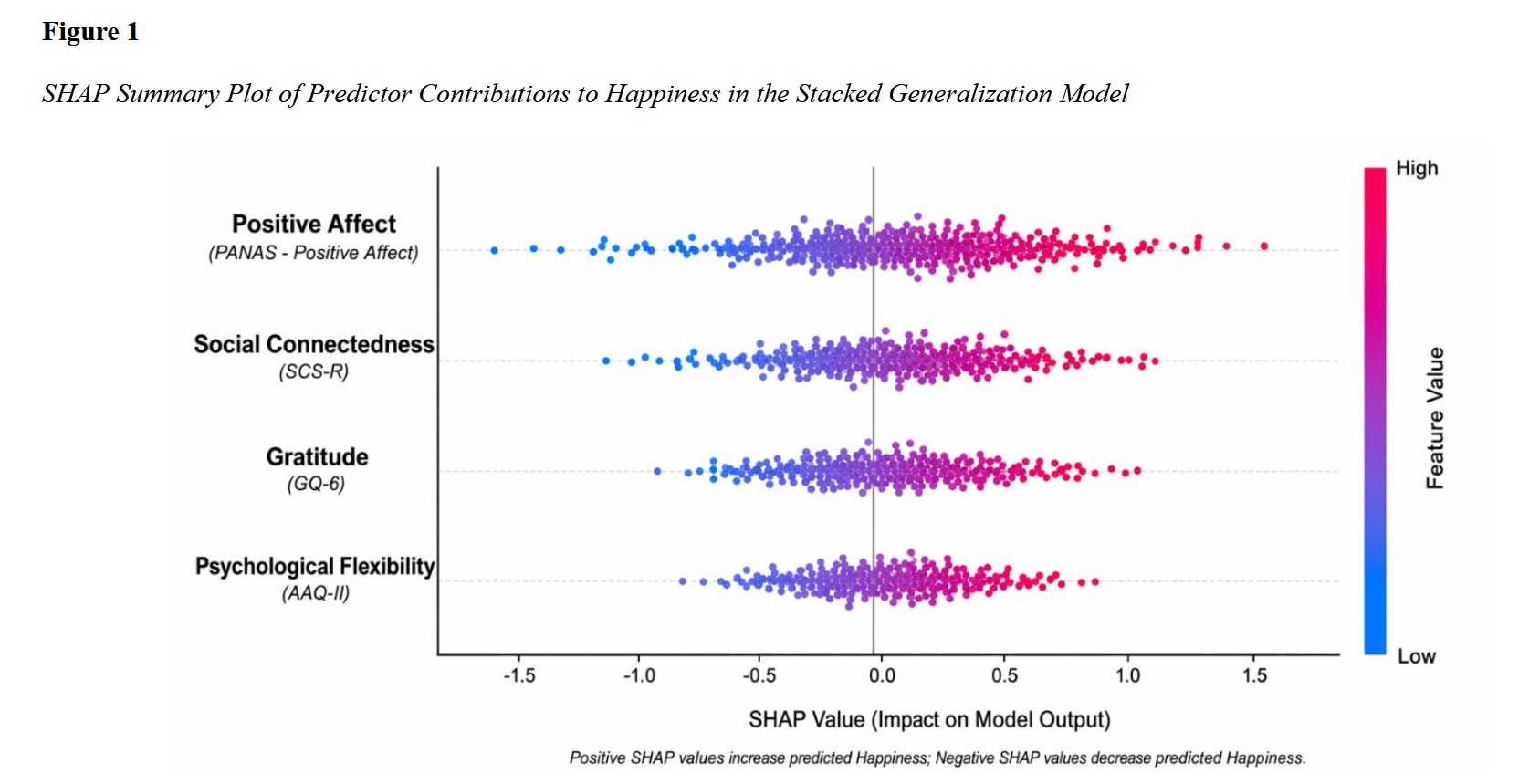
This process-oriented perspective also creates new demands for assessment. Diagnostic symptom scales alone cannot adequately identify the mechanisms that should be targeted or determine whether meaningful psychological change has occurred. Measures capable of assessing dimensions that cut across emotional disorders are therefore increasingly important. The development and validation of multidimensional instruments designed to characterize emotional disorder processes illustrate the growing effort to align psychological assessment with transdiagnostic conceptualizations (Bartholdy et al., 2026). Future psychotherapy research will need to integrate repeated process measurement, ecological assessment, digital phenotyping, network approaches, and personalized outcome monitoring if process-based care is to become genuinely responsive to individual trajectories.
Equally important is the need to reconsider what constitutes a successful therapeutic outcome. Symptom reduction remains essential, but it cannot be the sole criterion for judging treatment effectiveness. Functional recovery, participation in valued activities, interpersonal functioning, occupational capacity, well-being, and quality of life may remain substantially impaired even after diagnostic symptoms improve. Contemporary recommendations therefore emphasize moving beyond symptom change toward transdiagnostic and disorder-specific assessments of functioning and quality of life (Correll et al., 2025). A process-based model of psychotherapy is particularly compatible with this broader outcome framework because therapeutic goals can be organized around changes that matter in the patient’s everyday life rather than exclusively around reductions in diagnostic symptom counts.
Technological and neurobiological developments may further expand the scope of process-based psychotherapy. Innovations in psychotherapy delivery, personalization, scalability, digital interventions, and treatment optimization are increasingly being investigated as strategies for improving both outcomes and access (Cuijpers et al., 2026). At the same time, the combination of evidence-based psychotherapy with noninvasive brain stimulation raises important questions about whether neural modulation can enhance specific therapeutic learning processes and under which implementation conditions such combinations are most effective (Beynel et al., 2026). These developments should not be interpreted as replacements for psychotherapy but as opportunities to investigate how psychological and neurobiological mechanisms interact during therapeutic change.
The movement beyond diagnosis also has implications for implementation. The value of innovative psychotherapy models remains limited when strong research evidence does not translate into guideline recommendations or routine clinical practice. The persistent gap between evidence and implementation is particularly visible in group psychotherapy, where effective and potentially scalable interventions remain underutilized despite their relevance to common mental health conditions (Vos, 2026). Transdiagnostic interventions may help narrow this gap because a smaller number of flexible protocols could potentially address broader clinical populations, simplify therapist training, and facilitate dissemination across resource-limited services.
Nevertheless, enthusiasm for transdiagnostic and process-based psychotherapy should not result in the premature abandonment of diagnosis. Diagnostic information can remain valuable for prognosis, communication, epidemiology, service planning, and clinical decision-making. The more productive direction is therefore not necessarily to replace diagnostic systems but to prevent them from defining the limits of psychotherapy science. Diagnosis can describe an important aspect of a clinical presentation, while process-based formulation may explain what should change, how change might occur, and how treatment can be adapted when progress is limited.
For the first issue of 2027, we invite researchers, clinicians, and scholars to submit original contributions examining transdiagnostic, process-based, personalized, and mechanism-focused approaches to psychotherapy. We particularly welcome empirical studies, randomized and pragmatic trials, systematic reviews and meta-analyses, methodological papers, clinical innovations, theoretical contributions, and implementation research addressing shared mechanisms of psychopathology, process-based case formulation, transdiagnostic assessment, personalized treatment selection, mechanisms and mediators of therapeutic change, intensive and group-based transdiagnostic interventions, digital and technology-assisted psychotherapy, integration of psychotherapy with neurobiological interventions, measurement-based care, functional and quality-of-life outcomes, and strategies for translating emerging evidence into routine practice.
The first issue of 2027 aims to provide a forum for work that advances psychotherapy from categorical treatment matching toward a more flexible science of therapeutic processes. We especially encourage submissions that connect rigorous empirical methodology with clinically meaningful questions and demonstrate how understanding how, why, for whom, and under what conditions psychotherapy works can improve mental health care across diagnostic boundaries.