Comparison of the Effects of a Training Period with Sports Vision, Specialized, and Combined Approaches on Certain Skill Components and Mood in Young Iraqi Volleyball Players under Psychological Pressure
DOI:
https://doi.org/10.61838/kman.intjssh.8.1.6Keywords:
sports vision, psychological pressure, accuracy, Mood, volleyballAbstract
Objective: The purpose of this study was to compare the effects of a training period with sports vision, specialized, and combined approaches on skill components and mood in young Iraqi volleyball players under psychological pressure.
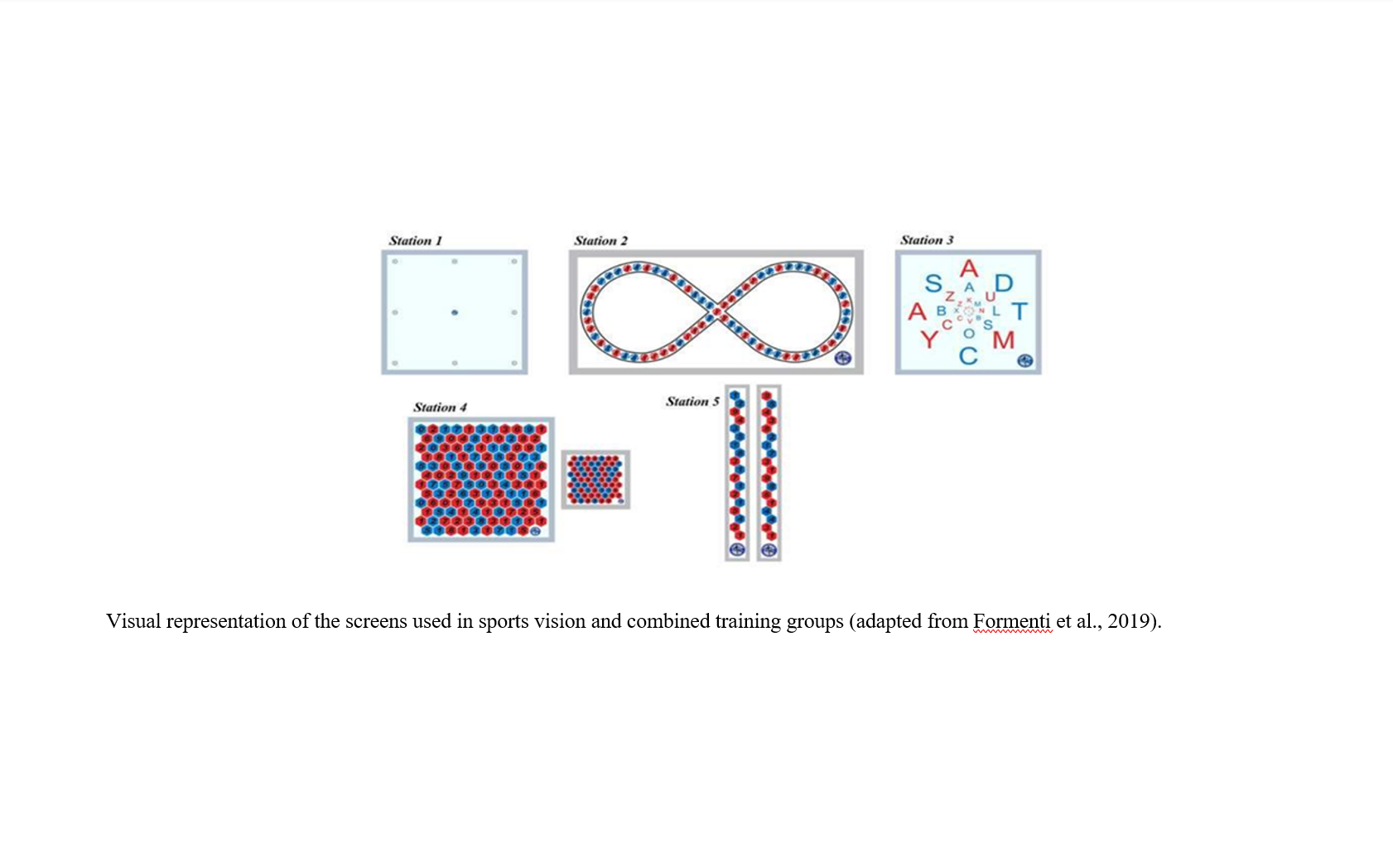
Materials and Methods: This semi-experimental study was conducted in the field using a pre-test/post-test design. A total of 42 participants who met the inclusion criteria were purposefully selected and randomly assigned to three groups (14 participants each): sports vision training, traditional training, and combined training. To assess the accuracy of volleyball serving and spiking, a test adapted from Garione et al. (2023) was employed. Mood was measured using the 32-item Brunel Mood Scale (BRUMS). Trait anxiety was assessed using the Illinois SCAT questionnaire (Martens, 1997), and state anxiety was measured using the Competitive State Anxiety Inventory-2 (CSAI-2) (Martens et al., 1990). To induce psychological pressure during the post-test, a combined monitoring and comparison method was used (Esmaeili et al., 2019). Data analysis was performed using covariance analysis and Bonferroni post hoc tests.
Findings: The results showed that under psychological pressure, the traditional/specialized group had the lowest serving accuracy, while no statistically significant differences were observed between the sports vision and combined groups (p ≥ 0.05). The combined training group exhibited the highest spiking accuracy under psychological pressure, with statistically significant differences among all three groups (p ≤ 0.05). Regarding positive mood components, no statistically significant differences were found between the sports vision and combined training groups (p ≥ 0.05), but statistically significant differences were observed between the sports vision and traditional groups as well as between the combined and traditional groups (p ≤ 0.05). In negative mood components, statistically significant differences were only observed between the combined and traditional groups (p ≤ 0.05).
Conclusion: The direct and indirect effects of sports vision training can assist coaches and athletes in diversifying training programs and may be utilized as a method and tool in real competition scenarios, which are often accompanied by psychological pressure. Additionally, the low cost and feasibility of implementing sports vision programs in various settings can be advantageous for coaches and athletes.
Downloads
References
1. Frame MC, Reichin S. Emotion and sport performance:
Stress, anxiety, arousal, and choking. Journal of Applied Sports
Psychology. 2019;10. [DOI]
2. Zahedi H, Shojahie M, Sadeghi H. Effect of focus of
attention and skill level on basketball free-throw shot under
psychological pressure. Research in Sport Science. 2011;6:131-48.
3. Cohen N, Ochsner KN. From surviving to thriving in the
face of threats: the emerging science of emotion regulation training.
Current Opinion in Behavioral Sciences. 2018;24:143-55. [PMID:
31187051] [PMCID: PMC6559737] [DOI]
4. Azarbaijani H, Ghobad B, Alami F, Hosseini. The effect
of changes in training pressure on the mood of elite female karate
kai in the national team camp. Women and Society Quarterly.
2010;1(14):129-50.
5. Wilson TA, Falkel J. Sportsvision: training for better
performance: Human Kinetics; 2004.
6. Wilson TA, Falkel J. Sportsvision: training for better
performance: Islamic Azad University Najafabad Branch; 2013.
7. Wagstaff CRD. Emotion regulation and sport
performance. Journal of Sport and Exercise Psychology.
2014;36(4):401-12. [PMID: 25226609] [DOI]
8. Paul M, Biswas SK, Sandhu JS. Role of sports vision and
eye hand coordination training in performance of table tennis
players. Brazilian Journal of Biomotricity. 2011;5(2):106-16.
9. Buscemi A, Mondelli F, Biagini I, Gueli S, D'Agostino
A, Coco M. Role of Sport Vision in Performance: Systematic
Review. Journal of Functional Morphology and Kinesiology.
2024;9(2):92. [PMID: 38921628] [PMCID: PMC11204951] [DOI]
10. Nascimento H, Alvarez-Peregrina C, Martinez-Perez C,
Sánchez-Tena MÁ. Vision in Futsal Players: Coordination and
Reaction Time. International Journal of Environmental Research
and Public Health. 2021;18(17):9069. [PMID: 34501658]
[PMCID: PMC8431160] [DOI]
11. Nascimento H, Martinez-Perez C, Alvarez-Peregrina C,
Sánchez-Tena MÁ. Citations network analysis of vision and sport.
International Journal of Environmental Research and Public
Health. 2020;17(20):7574. [PMID: 33081012] [PMCID:
PMC7589043] [DOI]
12. Ivarsson A, Johnson U, Andersen MB, Tranaeus U,
Stenling A, Lindwall M. Psychosocial factors and sport injuries:
meta-analyses for prediction and prevention. Sports Medicine.
2017;47:353-65. [PMID: 27406221] [DOI]
13. Schiepek G, Schorb A, Schöller H, Aichhorn W.
Prediction of sports injuries by psychological process monitoring.
Sports Psychiatry: Journal of Sports and Exercise Psychiatry. 2023.
[DOI]
14. Cross ES, Stadler W, Parkinson J, Schütz-Bosbach S,
Prinz W. The influence of visual training on predicting complex
action sequences. Human Brain Mapping. 2013;34(2):467-86.
[PMID: 22102260] [PMCID: PMC6869873] [DOI]
15. Otto J, Michelson G. Repetitive tests of visual function
improved visual acuity in young subjects. British Journal of
Ophthalmology. 2014;98(3):383-6. [PMID: 24390163] [DOI]
16. Holliday J. Effect of stroboscopic vision training on
dynamic visual acuity scores: Nike Vapor Strobe® Eyewear.
Journal of Sports Science and Medicine. 2013;11(4):624.
17. Deveau J, Ozer DJ, Seitz AR. Improved vision and onfield performance in baseball through perceptual learning. Current
Biology. 2014;24(4):R146-R7. [PMID: 24556432 ] [PMCID:
PMC3932179] [DOI]
18. Rezaee M, Ghasemi A, Momeni M. Visual and athletic
skills training enhance sport performance. Eur J Exp Bio.
2012;2(6):2243-50.
19. Schwab S, Memmert D. The impact of a sports vision
training program in youth field hockey players. Journal of Sports
Science & Medicine. 2012;11(4):624.
20. Appelbaum LG, Erickson G. Sports vision training: A
review of the state-of-the-art in digital training techniques.
International Review of Sport and Exercise Psychology.
2018;11(1):160-89. [DOI]
21. Appelbaum LG, Schroeder JE, Cain MS, Mitroff SR.
Improved visual cognition through stroboscopic training. Frontiers
in Psychology. 2011;2:276. [PMID: 22059078] [PMCID:
PMC3203550] [DOI]
22. MacLeod C. Mood disorders and cognition. 1990.
23. Alfailakawi A. The effects of visual training on vision
functions and shooting performance level among young handball
players. Ovidius University Annals, Series Physical Education &
Sport/Science, Movement & Health. 2016;16(1).
24. Klemish D, Ramger B, Vittetoe K, Reiter JP, Tokdar ST,
Appelbaum LG. Visual abilities distinguish pitchers from hitters in
professional baseball. Journal of Sports Sciences. 2018;36(2):171-
9. [PMID: 28282749] [DOI]
25. Krzepota J, Zwierko T, Puchalska-Niedbał L,
Markiewicz M, Florkiewicz B, Lubiński W. The efficiency of a
visual skills training program on visual search performance.
Journal of Human Kinetics. 2015;46(1):231-40. [PMID:
26240666] [PMCID: PMC4519214] [DOI]
26. Malahi A, Ghasemi A, Gholami A. Effect Of Vision And
Sports Exercises On Visual And Sports Skills Of Beginner
Basketball Players And Table Tennis Players. Growth And
Learning. 2014;3:129-46.
27. Ghasemi A, Momeni M, Jafarzadehpur E, Rezaee M,
Taheri H. Visual skills involved in decision making by expert
referees. Perceptual and Motor Skills. 2011;112(1):161-71. [PMID:
21466089] [DOI]
28. Abernethy B, Wood JM. Do generalized visual training
programmes for sport really work? An experimental investigation.
Journal of Sports Sciences. 2001;19(3):203-22. [PMID: 11256825]
[DOI]
29. Taheri M, Irandoost K, Yousefi S, Jamali A. Effect of 8-
week lower extremity weight-bearing exercise protocol and acute
caffeine consumption on reaction time in postmenopausal women.
Iranian Journal of Ageing. 2017;12(1):18-29. [DOI]
30. Tate B, Paul M, Jaspal S. The impact of visual skills
training program on batting performance in cricketers. Serbian
Journal of Sports Sciences. 2008;2(1):17-23.
31. Jariono G, Sudarmanto E, Nugroho H, Maslikah U,
Budiman IA. Basic Volleyball Technical Skills for Students:
Validity and Reliability. Physical Education Theory and
Methodology. 2023;23(5):747-53. [DOI]
32. Lane AM. The rise and fall of the iceberg: development
of a conceptual model of mood-performance relationships Mood
and Human Performance: Conceptual, Measurement, and Applied
Issues2007. 1-34 p
33. Hashim HA, Zulkifli EZ, Yusof HA. Factorial validation
of Malaysian adapted Brunel Mood Scale in an adolescent sample.
Asian Journal of Sports Medicine. 2010;1(4):185. [PMID:
22375206] [PMCID: PMC3289187] [DOI]
34. Miranda R, Gomes M, Frade M. Psychometric properties
of the Brunel Mood Scale in Portuguese athletes. Psychology of
Sport and Exercise. 2008;9(6):630-9.
35. Fazackerley R, Lane AM, Mahoney C. Confirmatory
factor analysis of the Brunel Mood Scale for use with water-skiing
competition. Perceptual and Motor Skills. 2003;97(2):657-61.
[PMID: 14620257] [DOI]
36. Farokhi A, Motoshareei E, Zedabadi R. Determining the
factorial validity and reliability of the Persian version of the
Bromoz Mood Questionnaire. Motor Behavior. 2012;5(13):15-40.
37. Ahmadi M, Kashif SM, Burhani H. The effect of
psychological pressure on attention to related and unrelated sources
with the performance of high jump. Journal of Sports Management
and Movement Behavior. 2019;32(16):139-48.
38. Esmaili A, Safavi Hammami S, Mohadi AR. Blocking
under pressure: the effect of skill level and type of pressure on
soccer dribbling performance. Journal of Motor Growth and
Learning. 2020;11(4):459-75.
39. Moin F, Zahedi H, Meshkati Z. The effect of relevant and
irrelevant focus of attention and skill level on volleyball tennis
serve accuracy under mental stress conditions. Motor Behavior.
2014;6(17):105-18.
40. Formenti D, Duca M, Trecroci A, Ansaldi L, Bonfanti L,
Alberti G, et al. Perceptual vision training in non-sport-specific
context: effect on performance skills and cognition in young
females. Scientific Reports. 2019;9(1):18671. [PMID: 31822740]
[PMCID: PMC6904471] [DOI]
41. Palazzolo J. Anxiety and performance. L'encephale.
2020;46(2):158-61. [PMID: 31542211] [DOI]
42. Davids K, Button C, Bennett S. Dynamics of Skill
Acquisition: A Constraints-Led Approach: Human Kinetics; 2008.
43. Lane A, Chappell R. Mood and performance
relationships among players at the world student games basketball
competition. Journal of Sport Behaviour. 2001;24(2):182-96.
44. Lane AM, Beedie CJ, Jones MV, Uphill M, Devonport
TJ. The BASES expert statement on emotion regulation in sport.
Journal of Sports Sciences. 2012;30(11):1189-95. [PMID:
22709410] [DOI]
45. Lane AM, Terry PC. The nature of mood: Development
of a conceptual model with a focus on depression. Journal of
Applied Sport Psychology. 2000;12(1):16-33. [DOI]
46. Lane AM, Terry PC, Stevens MJ, Barney S, Dinsdale SL.
Mood responses to athletic performance in extreme environments.
Journal of Sports Sciences. 2004;22(10):886-97. [PMID:
15768723] [DOI]
47. Lochbaum M, Zanatta T, Kirschling D, May E. The
Profile of Moods States and athletic performance: A meta-analysis
of published studies. European Journal of Investigation in Health,
Psychology and Education. 2021;11(1). [PMID: 34542449]
[PMCID: PMC8314345] [DOI]
48. Han CSY, Parsons-Smith RL, Fogarty GJ, Terry PC.
Psychometric properties of the Brunel Mood Scale among athletes
and non-athletes in Singapore. International Journal of Sport and
Exercise Psychology. 2022;20(3):698-714. [DOI]
49. Pekrun R. Achievement emotions Emotions in late
modernity2017. 142 p[DOI]
50. Harris A, Gundersen H, Mørk-Andreassen P, Thun E,
Bjorvatn B, Pallesen S. Restricted use of electronic media, sleep,
performance, and mood in high school athletes - a randomized trial.
Sleep Health. 2015;1(4):314-21. [PMID: 29073407] [DOI]
51. Bertollo M, Saltarelli B, Robazza C. Mental preparation
strategies of elite modern pentathletes. Psychology of Sport and
Exercise. 2009;10(2):244-54. [DOI]
52. Brandt R, Bevilacqua GG, Coimbra DR, Pombo LC,
Miarka B, Lane AM. Body weight and mood state modifications in
mixed martial arts: an exploratory pilot. The Journal of Strength &
Conditioning Research. 2018;32(9):2548-54. [PMID: 29927894]
[DOI]
53. Brandt R, Bevilacqua GG, Andrade A. Perceived sleep
quality, mood states, and their relationship with performance
among Brazilian elite athletes during a competitive period. The
Journal of Strength & Conditioning Research. 2017;31(4):1033-9.
[PMID: 28328717] [DOI]
54. Hanin YL. Emotions and athletic performance:
Individual zones of optimal functioning model2007.
55. Terry P. The efficacy of mood state profiling with elite
performers: A review and synthesis. The Sport Psychologist.
1995;9(3):309-24. [DOI]
56. Terry PC. An overview of mood and emotions in sport.
Paper presented at the Proceedings of the 4th Asia-South Pacific
Association of Sport Psychology International Congress. 2003.
[DOI]
57. Pilkington V. Athlete Mental Health and Wellbeing
During the Transition Into Elite Sport: Strategies to Prepare the
System. Sports Medicine - Open. 2024;10(1). [PMID: 38460048]
[PMCID: PMC10924853] [DOI]
58. Miller B. Understanding Experiences of and Influences
on Well-Being in Elite Para-Sport: A Qualitative Exploration of
U.K. Para-Athletes. Sport Exercise and Performance Psychology.
2024;13(2):126-43. [DOI]
59. Beedie CJ, Terry PC, Lane AM. The profile of mood
states and athletic performance: Two meta-analyses. Journal of
Applied Sport Psychology. 2000;12(1):49-68. [DOI]
60. Murayama T, Sekiya H. Qualitative research on the
mechanism of choking under pressure. Journal of Sport & Exercise
Psychology. 2007;29.
61. Yoon S-J, Irie K, Lee J-H, Lim S-M. Perfectionism,
mood states, and choking in Asian university baseball players under
pressure during a game. International Journal of Environmental
Research and Public Health. 2021;18(23):12856. [PMID:
34886577] [PMCID: PMC8657302] [DOI]
62. Hase A, O'Brien J, Moore LJ, Freeman P. The
relationship between challenge and threat states and performance:
A systematic review. Sport, Exercise, and Performance
Psychology. 2019;8(2):123. [DOI]
63. Meijen C, Jones MV, McCarthy PJ, Sheffield D, Allen
MS. Cognitive and affective components of challenge and threat
states. Journal of Sports Sciences. 2013;31(8):847-55. [PMID:
23256682] [DOI]
64. Lazarus RS, Folkman S. Stress, Appraisal, and Coping:
Springer Publishing Company; 1984.
65. Clore GL, Wyer RS, Dienes B, Gasper K, Gohm C, Isbell
L. Affective feelings as feedback: Some cognitive consequences.
Theories of mood and cognition: Psychology Press; 2013. p. 27-62
66. Jones M, Meijen C, McCarthy PJ, Sheffield D. A theory
of challenge and threat states in athletes. International Review of
Sport and Exercise Psychology. 2009;2(2):161-80. [DOI]
67. Nicholls AR. Adaptation, stress and coping in sport.
Routledge international handbook of sport psychology: Routledge;
2016. p. 119-27
68. Britton DM, Kavanagh EJ, Polman RCJ. A path analysis
of adolescent athletes' perceived stress reactivity, competition
appraisals, emotions, coping, and performance satisfaction.
Frontiers in Psychology. 2019;10:1151. [PMID: 31156527]
[PMCID: PMC6529502] [DOI]
Downloads
Additional Files
Publication Timeline
Issue
Section
License
Copyright (c) 2024 Hussein Srayyih Hammood Al-Fraidawi, Hamid Zahedi, Ali Mohsen Yasser Elioudeh, Zohre Meshkati (Author)

This work is licensed under a Creative Commons Attribution-NonCommercial 4.0 International License.